



Learn About the 250 Years of America
As we celebrate 250 years of America, we reflect on the history of our nation, the legacy of New Jersey, and Amboy Bank’s long-standing commitment to serving local communities.
Learn More About
America's Story: 250 Years in Independence
Follow the milestones that shaped the United States from its founding in 1776 to today.


Approximately 3 billion pizzas are sold in the US each year.
New Jersey's Legacy: At the Heart of America's History
From colonial times to modern innovation, New Jersey has played a vital role in America's story.




The first complete dinosaur skeleton was discovered in New Jersey.
Amboy Bank Through the Years
For more than 135 years, Amboy Bank has grown alongside the communities of Central New Jersey while remaining committed to local service and relationship banking.
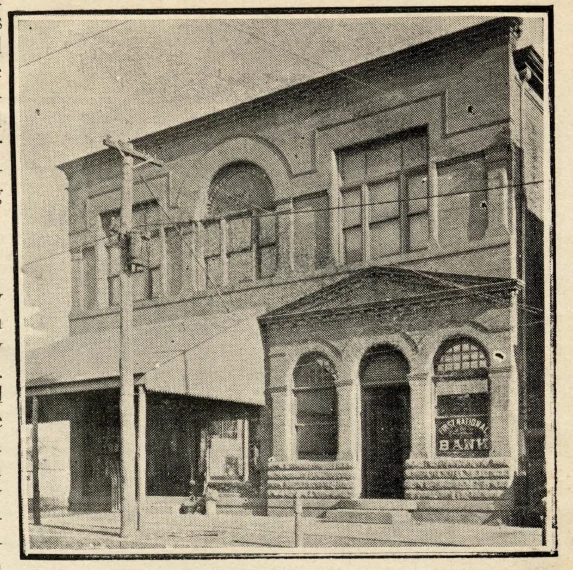
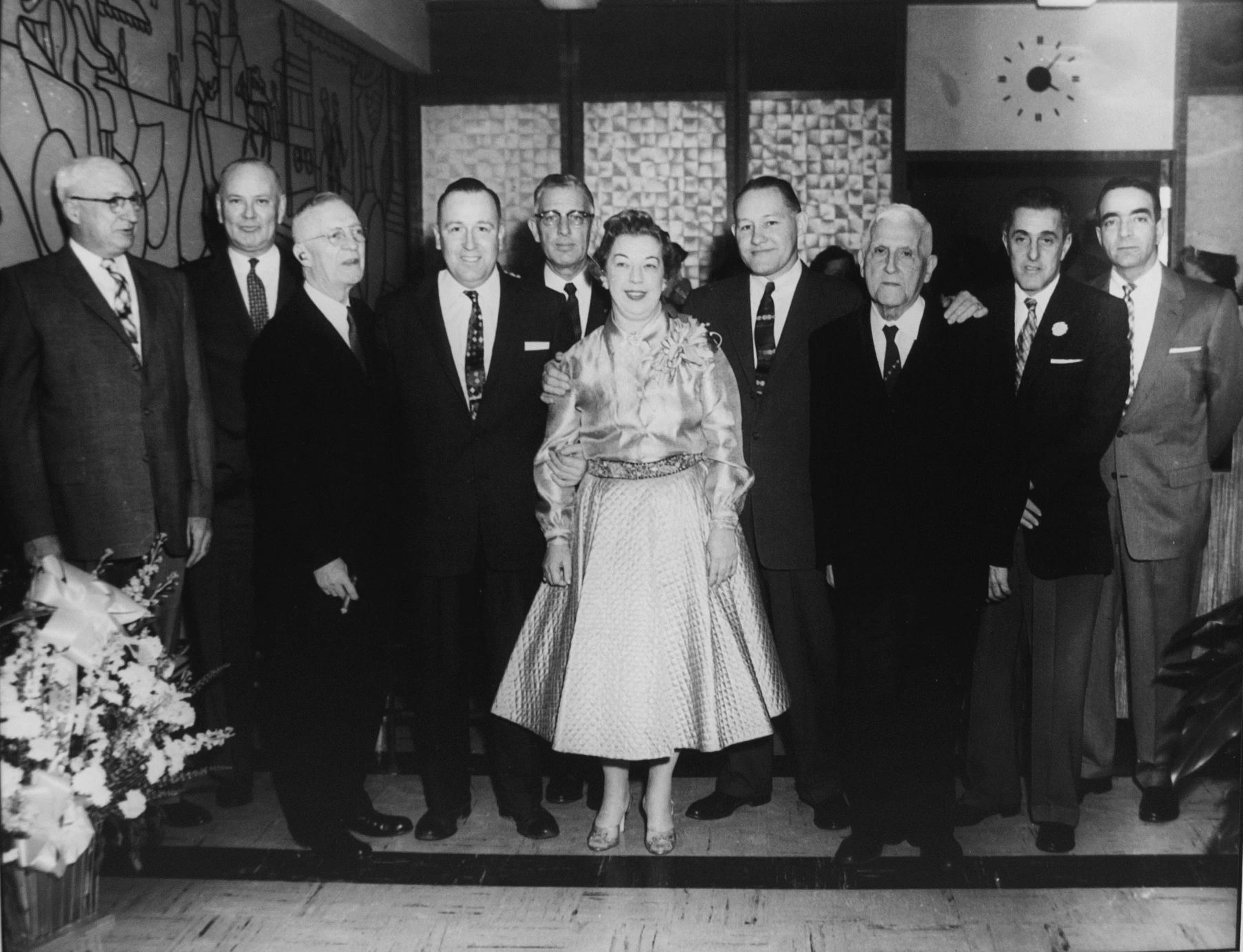





There were 38 states in 1888, the year Amboy was founded.
How It All Began: The Revolution
Before there were fireworks, celebrations, and a nation to call our own, there were bold ideas, brave voices, and powerful words that changed history. America’s story began with a belief that people should have the freedom to govern themselves, speak their minds, and shape their own future.
The journey to independence was built on principles of liberty, equality, and opportunity, ideas first captured in the founding documents that still guide the country today, from the Revolution that sparked change to the Declaration that put those beliefs into words. As we approach America’s 250th anniversary, looking back at how it all started helps us better understand the values that continue to shape our country and our communities today.
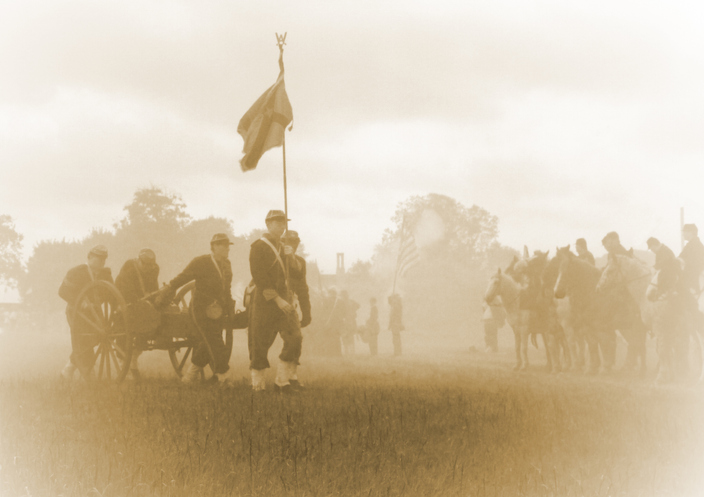
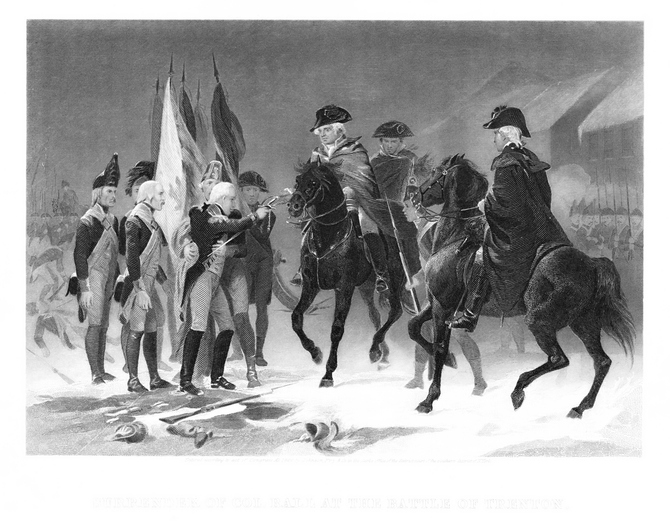
The Spark: The Revolution
The Words: The Declaration of Independence
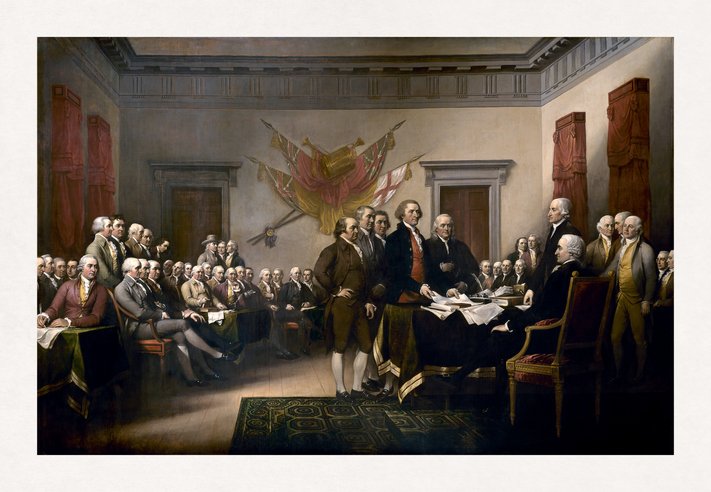
On July 4, 1776, the colonies put their beliefs into writing. The Declaration of Independence explained why America was breaking away from Britain and introduced ideas that would shape the nation for generations. Written primarily by Thomas Jefferson, it declared that all people are created equal and have the right to life, liberty, and the pursuit of happiness. It was a bold statement—and one that inspired movements for freedom around the world.
- The Declaration listed 27 grievances against King George III.
- It was adopted by the Continental Congress in Philadelphia.
- Fifty-six delegates signed the document.
- Its message continues to influence democracy worldwide.
The Foundation: The Preamble and Constitution
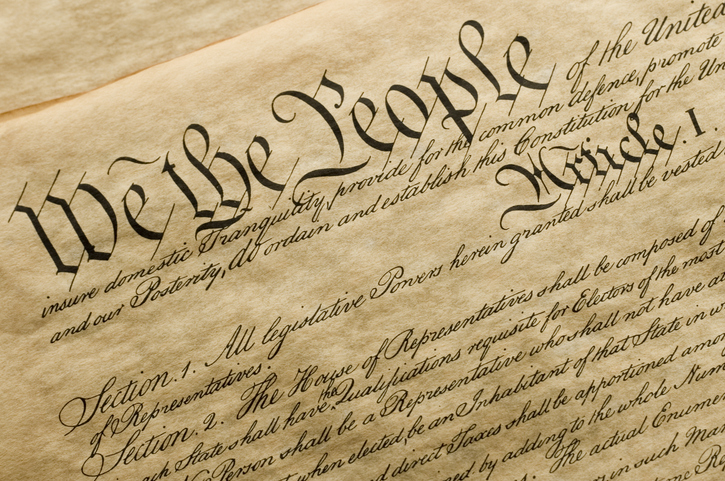
Winning independence was only the beginning. The new nation needed a plan for how it would govern itself. In 1787, the Constitution was created, and at its heart was the Preamble—52 words that set the vision for the country. Its purpose was clear: create unity, establish justice, protect freedom, and promote the well-being of the people. More than two centuries later, those goals still guide the nation.
- The Preamble begins with the famous words, “We the People.”
- The Constitution established three branches of government.
- It remains the oldest written national constitution still in use.
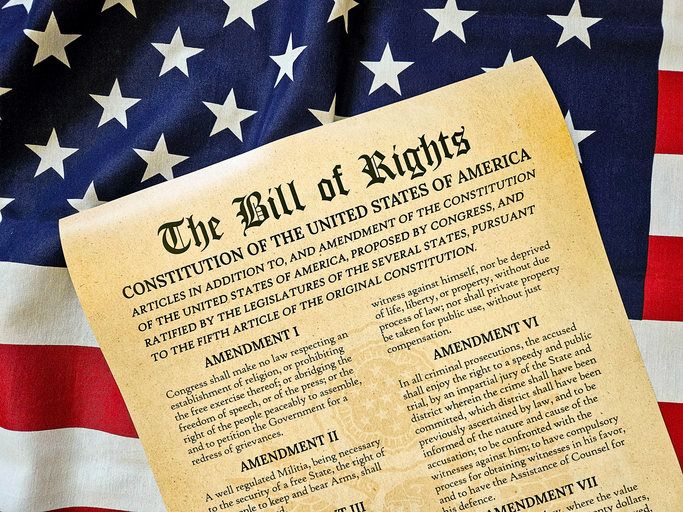
- The Bill of Rights was added in 1791 to protect individual freedoms.
The Signing of the Constitution Painting Hangs in the Capitol
Why It Still Matters
America’s founding documents are more than historic artifacts—they are living reminders of the principles the country was built on. They help us understand our rights, our responsibilities, and the values that continue to shape our communities. Reading them today offers perspective on where we started and the role each generation plays in moving the country forward.
- They provide the foundation for American laws and freedoms.
- They encourage civic understanding and participation.
- They show how ideas like liberty and equality have evolved over time.
- They remind us that democracy depends on informed citizens.
Read (or Watch) it Yourself
There’s no better way to connect with history than by reading the original words for yourself. The founding documents are surprisingly readable and offer a firsthand look at the ideas that shaped the nation. Take a few minutes to explore them and see how their meaning still resonates today.
Did You Know? Explore Fun Facts About the Revolution
America’s founding story is full of surprising details, little-known facts, and moments that didn’t make it into most history books. Here are a few that might surprise you.
- John Adams believed July 2—not July 4—would become America’s national holiday.
- The Constitution originally spelled Pennsylvania as “Pensylvania.”
- Only six men signed both the Declaration of Independence and the Constitution.
- Benjamin Franklin was 70 years old when he signed the Declaration.
- The Constitution contains about 4,500 words, making it shorter than many modern magazine articles.
What Came Next: Expansion and Reform
After winning its independence, the United States didn't stop growing; it was just getting started. The years that followed were filled with big ideas, bold decisions, and remarkable change. New inventions transformed daily life, the nation's borders stretched farther west, and leaders faced important questions about the country's future.
As America expanded, so did the opportunities and challenges that came with it. Agreements, innovations, and difficult compromises helped shape the nation's path, leaving a lasting impact on the people who lived through them—and on the country we know today. Explore some of the documents and moments that defined this exciting and complicated chapter in American history.
Innovation: The Patent for Cotton Gin
Eli Whitney's cotton gin transformed the American economy by making it much faster to separate cotton fibers from their seeds. The invention helped make cotton one of the country's most valuable crops and fueled economic growth across the South. At the same time, it increased the demand for enslaved labor, demonstrating how technological advances can have both positive and painful consequences.
- Inventor Eli Whitney received a patent for the cotton gin in 1794.
- The machine dramatically reduced the time needed to process cotton, making cotton production far more profitable.
- Cotton quickly became one of America's most important exports, helping drive economic growth.
- While the invention boosted agriculture and industry, it also contributed to the expansion of slavery in the South, making it an important and complex part of American history.
Expansion: The Louisiana Purchase Treaty
The Louisiana Purchase was one of the most significant land deals in American history. By purchasing more than 800,000 square miles of land from France, the United States nearly doubled its size, opening the door to westward expansion, new settlements, and future states. The agreement strengthened the young nation and forever changed the map of North America.
- Signed in 1803, the treaty transferred the Louisiana Territory from France to the United States for $15 million.
- At the time of the Louisiana Purchase, the United States had 17 states.
- The purchase nearly doubled the size of the United States, adding land that would eventually become all or part of 15 states.
- The newly acquired territory inspired further exploration, including the famous Lewis and Clark Expedition.
Exploration: Jefferson's Secret Message to Congress
After acquiring the Louisiana Territory, President Thomas Jefferson wanted to learn more about the vast lands west of the Mississippi River. In a confidential message to Congress, he requested funding for an expedition to explore the region. That request led to the Lewis and Clark Expedition, one of the most famous journeys in American history.
- Jefferson asked Congress to fund an expedition under the guise of promoting commerce and science.
- The expedition was led by Meriwether Lewis and William Clark, who traveled from 1804 to 1806.
- Lewis and Clark mapped rivers and mountains, documented plants and animals, and established relationships with many Native American nations.
- Their discoveries helped Americans better understand the West and encouraged future exploration and settlement.
Could You Pass the American Citizenship Test?
Put your knowledge of American history and government to the test with a sample of the official questions that aspiring citizens study to become Americans. See how many you can answer correctly, and then challenge your family and friends to beat your score.
Ready to test yourself?
Fun Facts and Quizzes
Can you run for President?
Yes, you can! As long as you are:
- At least 35 years old
- A native-born citizen of the US
- A resident of the US for at least 14 years

What would you do as President?
- Lead the country successfully
- Be in charge of the Army, Navy, Air Force and Marines
- Pick many outstanding people to help you run the country
- Recommend, sign and sometimes reject laws
- Work to establish strong international relations and affairs
Which President are you?
Find out in this interactive quiz from the Washington Times.
The bald eagle became our national symbol in 1782.
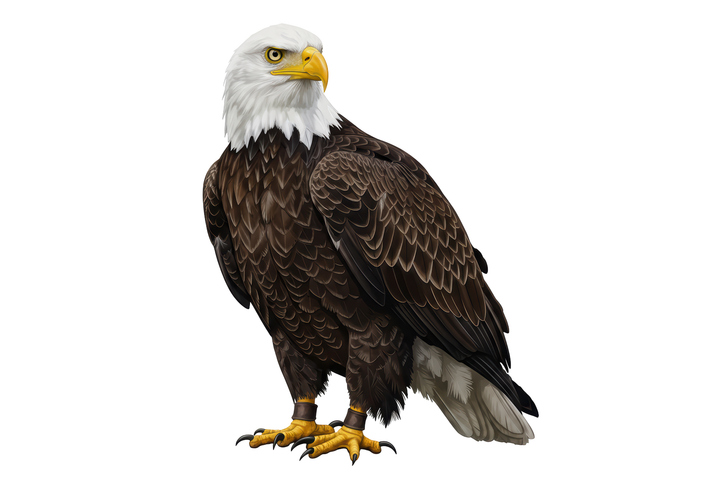
- Only found in North America
- Symbolizes strength, courage, and freedom
The Liberty Bell was rung when the Declaration of Independence was signed in 1776.
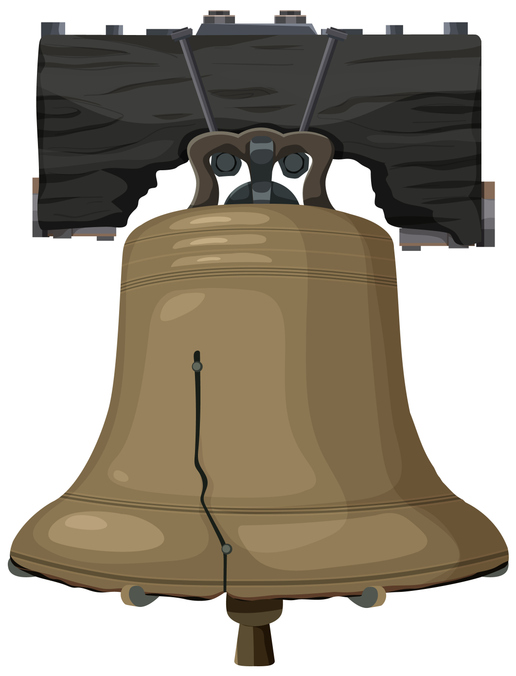
- Rung on Independence Day every year in Philadelphia (even with the crack)
- Originally made in England
Every President, with the exception of George Washington, has lived in the White House.
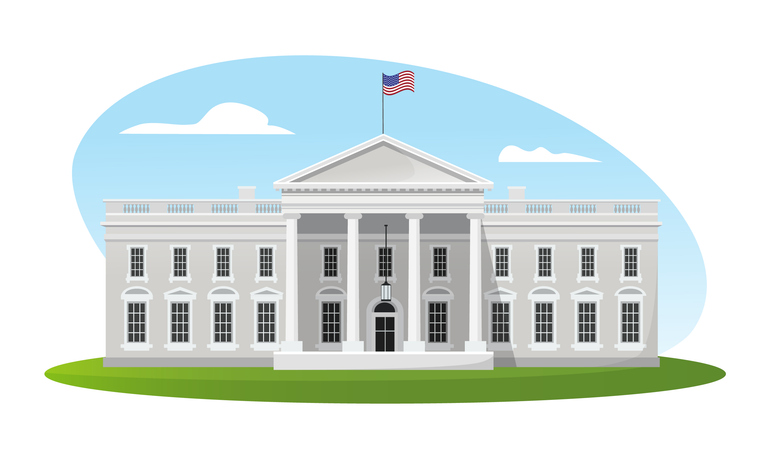
- The White House was completed in 1800, and it took 8 years to build
- It has 132 rooms, 35 bathrooms, and 6 levels in the main residence
France gave the Statue of Liberty to the United States as a gift of friendship in 1884.
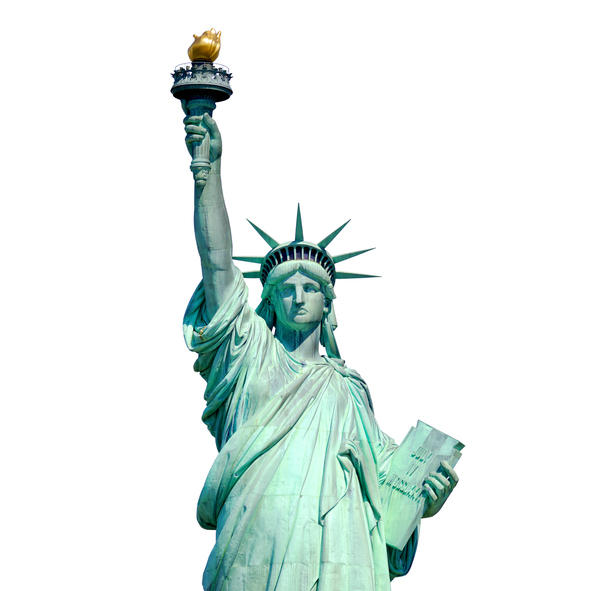
- The statue rests on an island in the New York Harbor
- The seven rays of her crown stand for the seven seas and seven continents
- Her torch is a symbol of welcome to new arrivals
- The broken chain at her feet is a symbol of freedom
In 1777, Congress approved the first design of our flag.
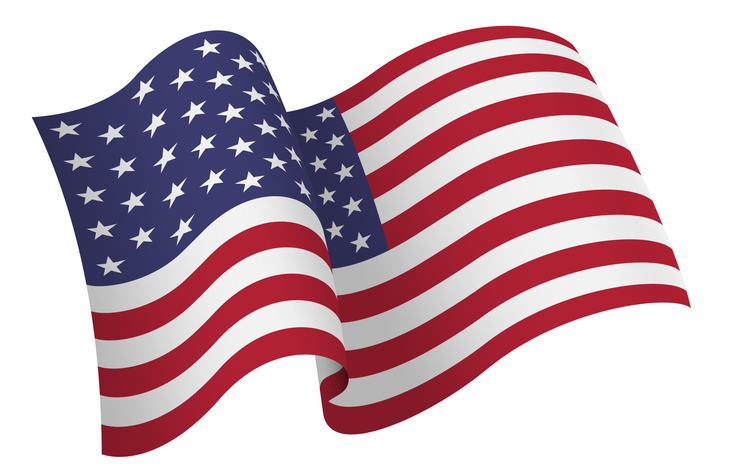
- There have been 27 official versions since 1777
- Today's flag has 50 stars, one for each state, and 13 stripes, one for each of the 13 original colonies
Revisit America's History through Catchy Tunes
Take a trip back to the classroom with the classic "Schoolhouse Rock!" videos that made learning fun. These timeless favorites continue to teach the foundations of American government in a way that still sticks today.